Embracing Simplicity: The Modern Guide to Minimal Wedding Invitations
In a world often saturated with ornate details and complex aesthetics, the minimalist wedding invitation stands as a breath of fresh, elegant air. This approach to wedding stationery focuses on clean lines, thoughtful typography, and purposeful design, stripping away excess to highlight the essential message of celebration. For couples and designers alike, understanding the components—such as CMYK print-ready files, EPS vectors, included free fonts, and final PDFs—is not just about creating a beautiful card; it's about mastering a practical, professional design process that ensures a flawless result from concept to guest's hand.
The Philosophy of Minimalism in Wedding Design
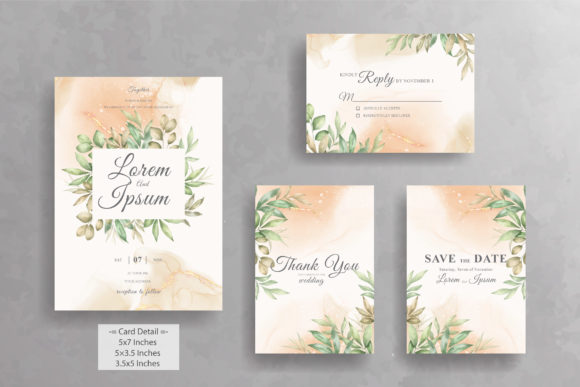
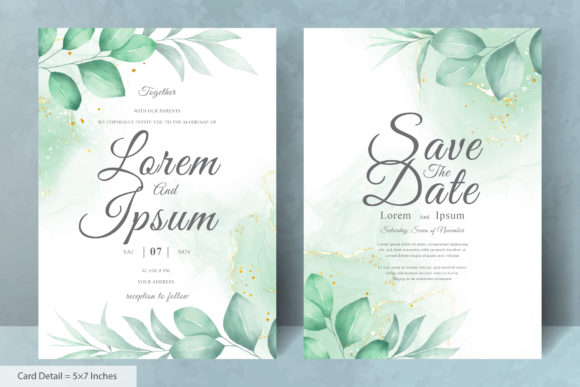
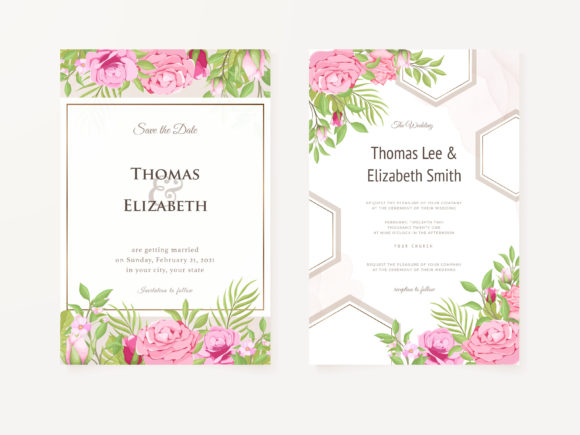
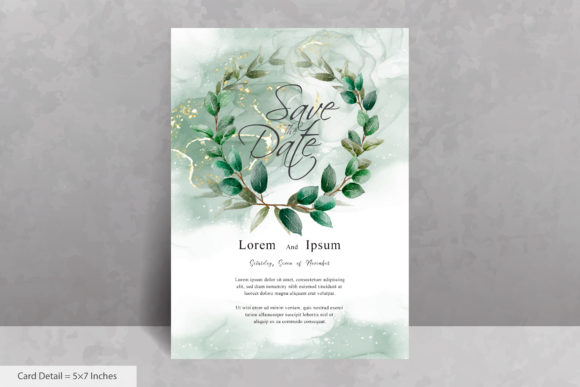
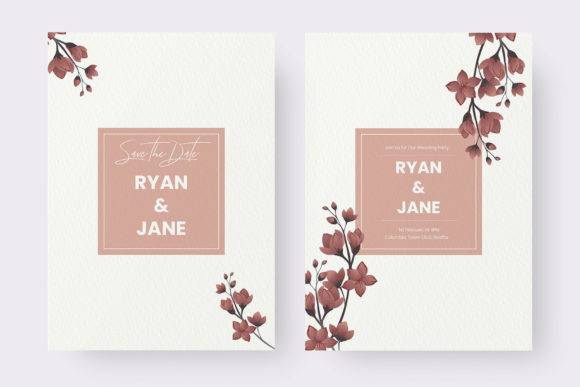
Minimalism, in the context of wedding invitations, is far from being plain or empty. It is a deliberate design philosophy that prioritizes clarity, balance, and emotional resonance over decorative clutter. A minimal floral wedding invitation, for instance, might feature a single, exquisitely rendered blossom or a subtle line-drawn wreath, marrying the organic beauty of nature with a clean, modern layout. This style speaks to couples who value sophistication, sustainability, and a focus on the core meaning of their union. It aligns with contemporary trends that favor personal expression and intentionality, making the invitation itself a true reflection of the couple's approach to their celebration.
Why Minimal Design Resonates Today
The appeal of minimal wedding invitations extends beyond aesthetics into practicality and communication. In our fast-paced digital age, a clean, easy-to-read invitation delivers information efficiently and with grace. It avoids visual confusion, ensuring that dates, times, and locations are immediately accessible to guests of all ages. Furthermore, this style often translates into cost-effectiveness in printing, as it typically uses less ink and can be executed on a variety of paper stocks. Its versatility means it feels equally appropriate for a chic urban loft ceremony, a serene beachfront vow exchange, or an intimate backyard gathering.
Deconstructing the Technical Specifications: A Designer's Toolkit
When you encounter terms like "CMYK print-ready," "EPS file," "Free font," and "PDF file" associated with a wedding invitation template, you're looking at the blueprint for a professional print production. Understanding these elements is crucial for both DIY couples and professional stationery designers to ensure the final product matches the vision.
CMYK Print-Ready: The Foundation of Color Accuracy
The term CMYK print-ready signifies that the file's color palette is configured specifically for physical printing, not digital screen display. CMYK stands for Cyan, Magenta, Yellow, and Key (Black), the four process colors used in most commercial and home printers. A design prepared in this color mode ensures that the soft grays, delicate blush pinks, or crisp blacks of your minimal and minimal floral designs will translate accurately onto paper. Using RGB (Red, Green, Blue) files for print can lead to unexpected color shifts, making this a critical first step for quality results.
EPS File: The Vector Advantage for Perfect Scaling
An EPS (Encapsulated PostScript) file is a vector-based format. Unlike pixel-based images (like JPEGs or PNGs) that can blur or pixelate when resized, vector graphics use mathematical paths and points. This means your minimalist invitation—with its sharp lines, precise floral outlines, and clean text—can be scaled up to a poster size or down to a small detail without any loss of quality. It provides immense flexibility for designers and printers, allowing for last-minute adjustments to size or layout without compromising the integrity of the design.
Included Free Font: Ensuring Typographic Consistency
Typography is the heartbeat of a minimal invitation. The mention of a free font included means the specific typeface used in the design is legally bundled or referenced for your use. This guarantees that when you open the file in your software, the text appears exactly as intended, preserving the carefully chosen font that contributes so heavily to the minimalist mood—whether it's a sleek sans-serif or a delicate script. It eliminates the common headache of font substitution, which can completely alter the design's feel and spacing.
PDF File: The Universal Delivery Format
The final PDF (Portable Document Format) acts as the stable, reliable package for your design. It locks in all the elements—the CMYK color data, the vector artwork, and the correct fonts—into a single file that anyone can view correctly, regardless of their software. It's the ideal file to send to a printer for proofing and production, or to share with the couple for approval. It preserves the design's integrity across different platforms and devices.
The Practical Workflow: From File to Finished Invitation
Knowing how to utilize these files turns the template into a customizable, professional product. The typical workflow is straightforward but requires attention to detail.
Opening and Editing in Professional Software
The instruction to open the file in Illustrator, Photoshop, or Affinity directs you to the industry-standard tools. Adobe Illustrator is ideal for the EPS vector files, allowing you to edit every line and shape effortlessly. Adobe Photoshop can be used for fine-tuning any raster elements or adding subtle texture. Affinity Designer offers a powerful, cost-effective alternative for vector work. Here, you can personalize the template:
- Change the couple's names and wedding details.
- Adjust the color palette within the CMYK spectrum to match your wedding theme.
- Reposition the minimal floral element or modify its size.
- Add or remove very subtle elements while maintaining the minimalist balance.
Preparing for Print and Avoiding Common Mistakes
A major misunderstanding is assuming any digital file is ready for print. Always double-check:
- That your software is set to the CMYK color mode during editing.
- That all text is either converted to outlines (using the provided font) or that the font is actively installed to prevent substitution.
- That the final PDF you send to the printer has high-resolution settings and includes all necessary crop marks if the design requires trimming.
This process ensures your minimal design, which relies on precision, arrives in your guests' hands exactly as you envisioned: crisp, elegant, and impactful.
The Broader Impact: Minimal Invitations in Modern Life and Business
The principles behind these wedding invitation assets reflect larger trends in design, communication, and technology. In business, clear, minimalist design enhances brand messaging and user experience. In education, it aids in clear information dissemination. The technical skills learned—managing color modes, vector files, and fonts—are directly transferable to graphic design for logos, marketing materials, and web design.
For the couple, choosing a minimal design is often a mindful decision that reduces stress and environmental impact. It can mean selecting recycled paper, opting for digital RSVP options linked from the invitation, and creating a cohesive visual language that extends to their wedding website and signage. It's a holistic approach that values experience over excess.
Conclusion: More Than Just a Piece of Paper
A minimal wedding invitation, especially one provided with professional-grade files like CMYK print-ready EPS vectors and PDFs, is a fusion of art and utility. It represents a modern mindset that celebrates clarity, personalization, and technical savvy. By understanding not just the beautiful outcome but the purposeful process behind it, couples and creators gain more than a stunning invite; they gain the knowledge and tools to execute any design project with confidence and precision. It transforms the invitation from a mere announcement into the first, elegant chapter of the wedding day story, executed flawlessly from screen to print.