The Allure of Red and Chocolate-Colored Flowers in Modern Design
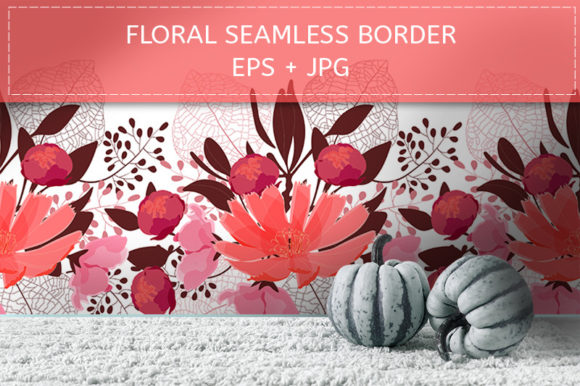
In the diverse world of botanical-inspired design, a specific palette has carved a distinct and sophisticated niche: the combination of red and chocolate-colored flowers, often paired with buds, pink accents, and brown leaves. This rich color scheme moves beyond traditional floral vibrancy, offering a grounded, elegant, and visually warm aesthetic. Its appeal is not merely artistic; it carries significant weight in decorative design, branding, and digital media, thanks to its versatility and the powerful vector floral seamless border assets that bring it to life.
A Palette of Depth: Characteristics of Red and Chocolate Florals
The core of this design trend lies in its unique chromatic harmony. Red flowers, ranging from crimson to burgundy, provide a classic symbol of passion, energy, and attention. They command focus. Chocolate color flowers, however, introduce a surprising element of earthy, muted sophistication. This brown hue, often seen in the petals of certain cultivars or in dried botanical elements, adds depth, warmth, and a sense of organic realism. It tempers the intensity of the red, creating a balanced and mature composition.
Complementing these are the supporting elements. Pink flowers and buds introduce a softer, transitional tone, offering highlights and variation that prevent the palette from becoming too heavy. Brown leaves isolated on a white background are crucial; they frame the flowers, provide structural detail, and enhance the sense of natural isolation, making the assets incredibly clean and adaptable. This isolation against white is a key technical characteristic, ensuring the elements can be seamlessly integrated into any project without background interference.
The Vector Advantage: Seamless Borders and File Formats
The practical power of this aesthetic is unlocked through its digital packaging. A vector floral seamless border is a design asset of immense utility. Created as a vector file, such as the included EPS 10 for Adobe Illustrator, it is mathematically defined, meaning it can be scaled infinitely without any loss of quality. Whether you need a delicate border for a wedding invitation or a massive backdrop for a trade show banner, the integrity of every line, petal, and leaf remains perfect.
The seamless aspect is equally important. A seamlessly repeating pattern allows the border to be extended horizontally or vertically to fit any dimension, creating a continuous, professional decorative edge. This package typically includes a high-resolution JPG, such as the 6000x3000 px file imported into Photoshop, providing a ready-to-use raster image for quick applications or for users who primarily work in pixel-based environments. This dual-format approach caters to both vector-focused designers and those needing immediate, high-quality bitmap images.
Primary Use Cases in Decorative Design
The application of these red and chocolate floral designs is remarkably broad, aligning perfectly with the needs of a diverse audience from hobbyists to corporate professionals.
- Surface Decoration: The patterns are ideal for physical product design. They can be applied to textiles, ceramics, wallpaper, or packaging. The warm, organic feel makes products feel premium and nature-connected.
- Card Design: From greeting cards to business stationery and event invitations, the elegant border provides an immediate touch of class. The color scheme works for autumn events, romantic occasions, and corporate branding where a less traditional, more sophisticated floral look is desired.
- Banner and Signage Creation: For both digital and physical banners, the scalable vector files are indispensable. A seamless border can frame website headers, social media graphics, or large printed banners for retail or events, ensuring consistency across all sizes.
- Digital and Print Media: Web designers use these elements for UI embellishments, while publishers integrate them into book layouts, magazine spreads, and promotional flyers. The isolated elements allow for easy layering and composition.
Real-World Relevance for Different Audiences
Each segment of the broad audience finds specific value in these assets. Professionals like graphic designers and marketing agencies leverage the vector files for efficient, scalable client work. Business owners, particularly in sectors like boutique retail, cafes, or wellness, use the theme to craft a warm brand identity. Educators and researchers might utilize these clear, isolated botanical illustrations in presentations or educational materials to discuss plant morphology with aesthetic appeal.
Creators and hobbyists, including DIY crafters and digital art enthusiasts, benefit from the ready-to-use JPG files for personal projects, appreciating the high-quality starting point. The consumer ultimately experiences this design on the final products—the card they receive, the website they visit, the package they open—where it communicates quality and considered design.
Considerations for Effective Implementation
While the assets are highly usable, successful implementation requires some thought. The richness of the red and chocolate palette may not suit brands seeking a cool, minimalist, or ultra-bright aesthetic. It's essential to consider color psychology: this combination evokes warmth, comfort, and a slightly rustic elegance, which should align with the project's message.
Technical considerations are straightforward. Using the EPS file in Illustrator allows for complete customization—colors can be adjusted, elements separated, or the border pattern modified. The JPG file is best used when dimensions are known and scaling beyond its resolution isn't required. A key advantage is the isolated design; since elements are on a white background, they can be easily clipped or blended into new compositions using standard software tools.
Trends and Evolution in Botanical Design
The move towards richer, deeper floral colors like chocolate brown reflects a larger trend in design seeking authenticity and a departure from pure, bright idealism. It connects to themes of sustainability, the beauty of decay and autumn, and a more grounded naturalism. Vector seamless borders, meanwhile, represent the ongoing demand for flexible, professional-grade digital assets that save time and ensure quality. This particular package sits at the intersection of these trends: offering a timeless botanical subject through a modern, technically superior delivery method.
Observations from the design marketplace show that such resources are increasingly valued not just for their beauty, but for their utility. An asset that can transition from a web banner to a fabric print without loss of quality or needing redesign is a significant efficiency. The inclusion of both vector and raster formats in one package speaks to an understanding of real-world workflow diversity.
In essence, the combination of red, chocolate color flowers, pink buds, and brown leaves is more than a pleasing image. It is a versatile design system. Through the provided vector floral seamless border and high-resolution files, it becomes a practical toolkit for enhancing surfaces, cards, banners, and countless other projects. Its relevance stems from its ability to bridge the gap between natural aesthetic appeal and the rigorous demands of modern digital and print design, serving a wide array of creators with a single, powerful resource.