The Art of Vintage Wedding Invitation Design: Merging Tradition with Modern Craft
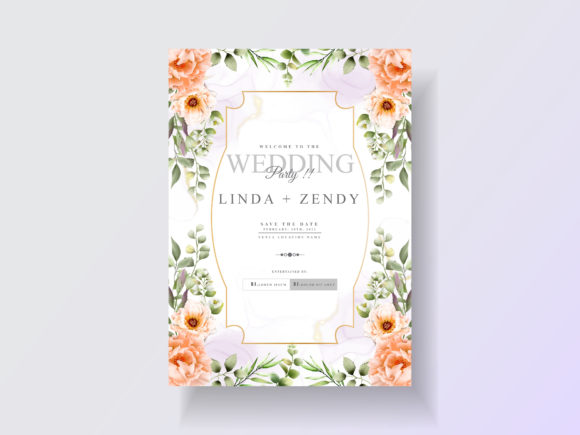
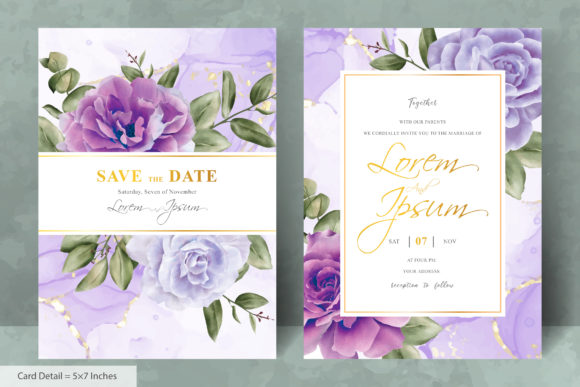
In the tapestry of wedding planning, the invitation stands as the first tangible thread, a preview of the celebration's aesthetic and emotional tone. The choice between an elegant floral frame wedding invitation and a vintage card with a watercolor floral frame and alcohol ink background is more than a simple selection of paper; it is a deliberate entry into a world of design, personal narrative, and technical craft. These templates represent a bridge between timeless artistic sentiment and the practical demands of contemporary, personalized event planning. Understanding their features, their purpose, and how they fit into the modern creator's workflow reveals a fascinating intersection of tradition, technology, and individual expression.
Setting the Tone: The Purpose and Significance of the Invitation
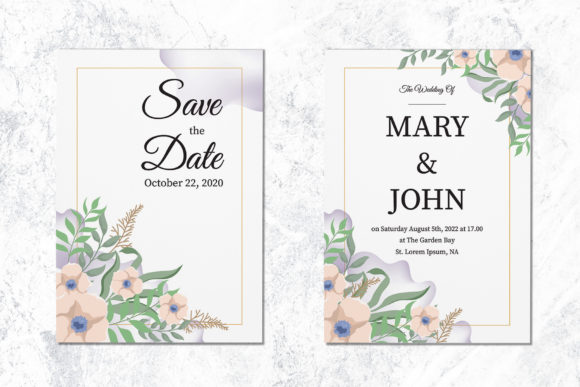
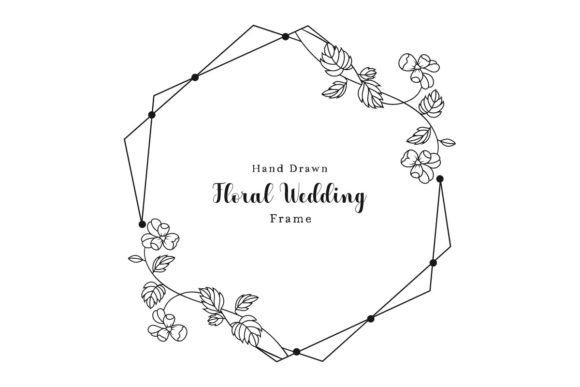
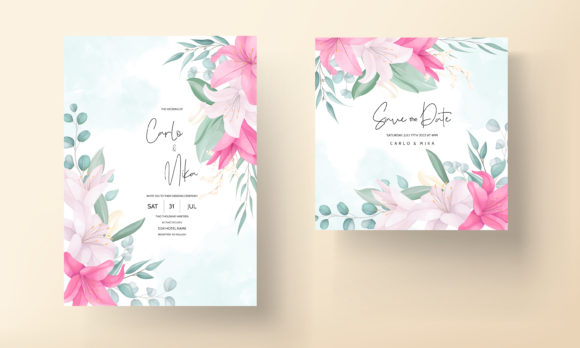
The wedding invitation is a herald. Its primary function is logistical—to communicate the essential details of date, time, and place. Yet, its significance is profoundly symbolic. It is the couple's first formal announcement of their union to their community, a piece of art that conveys the style and spirit of the upcoming day. A vintage-inspired design, such as one featuring a delicate watercolor floral frame, speaks to romance, nostalgia, and a connection to enduring beauty. It suggests a celebration that values craftsmanship and perhaps a softer, more poetic aesthetic. Conversely, an elegant floral frame might emphasize clean lines and contemporary sophistication, while still honoring natural motifs. The choice here sets a visual precedent, building anticipation and offering guests a glimpse into the couple's shared vision.
Deconstructing the Template: Features for the Modern Creator
What transforms a beautiful idea into a tangible, printable card is the underlying template. The specifications for these vintage and elegant floral invitation templates are not arbitrary; they are a blueprint for accessibility and professional results. Let's explore the listed features from a ground-up perspective.
Easy to Use & Editable Customizable Text Color: This is the cornerstone of modern DIY design. "Easy to use" typically means the template is built with layers in a program like Adobe Illustrator, allowing you to click and edit text without disturbing the background artwork. Customizable text color empowers you to match the font perfectly to your wedding palette—a deep burgundy, a soft sage, or classic black—ensuring cohesive branding from the invitation to the day itself.
Only Free Font Used: This is a crucial legal and practical consideration. It guarantees that the template does not require you to purchase expensive font licenses. You can edit and print without worrying about copyright infringement, making the process truly accessible for all budgets.
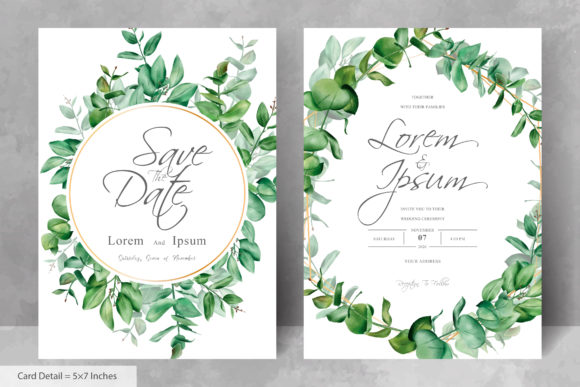
Printable Template with Bleed Area & 5×7 Inches: These are the technical pillars of professional printing. A "bleed area" is extra background design that extends beyond the final cut edge. When the card is trimmed to its final 5×7 size, this bleed prevents unsightly white borders if the cut is slightly off-register. The 5×7 inch specification is a standard, elegant size that fits common envelope dimensions and feels substantial in hand.
Adobe Illustrator 2018 or Later: This specifies the required tool. Illustrator is a vector-based design software. Vector graphics, unlike pixel-based images, are mathematically defined, meaning they can be scaled to any size—from an invitation to a large poster—without losing quality or becoming blurry. This ensures your floral frame remains crisp and perfect whether you're printing a card or a matching sign.
The Files Included: Your Digital Toolkit
The provided files are not just formats; they are different keys for different doors in your production journey.
- Adobe Illustrator (AI) File: This is the primary, editable source file. It is where you will do all your customization—changing names, dates, and colors.
- EPS File: The Encapsulated PostScript file is a versatile, older vector format that can be opened by many other design programs, offering flexibility if you don't have the latest Illustrator.
- JPG Template Card Detail: This is likely a high-resolution preview image. It serves as a quick reference to see the design without opening the software, or it could be used for digital sharing or mock-ups.
- 5×7 Inches Invitation Card & Save The Date: This indicates the template is likely pre-sized for both main invitation and the preliminary "Save The Date" card, ensuring a consistent look across your entire stationery suite.
Fitting into Modern Life: From Personal Celebration to Creative Business
These templates do not exist in a vacuum. They are a product of and a tool for the modern landscape of creativity, business, and personal project management.
For the Personal Planner: For the couple planning their wedding, such a template democratizes high-end design. It allows them to achieve a custom, professional look without the cost of hiring a graphic designer from scratch. It turns a daunting technical task into an approachable, even enjoyable, creative project. The process of editing the text, choosing the colors, and seeing their names integrated into beautiful art becomes a meaningful part of their wedding journey.
For the Creative Entrepreneur: For a small business owner—perhaps a stationery designer, a wedding planner, or a boutique printer—these templates are a foundation. They can be customized efficiently for different clients, providing a starting point that ensures quality and saves immense time. This allows the entrepreneur to focus on client service and unique touches rather than building every element from zero.
In Education and Skill Building: For someone learning graphic design, a well-structured template like this is an excellent educational tool. By opening the AI file, a student can see how a professional design is layered: how the background (alcohol ink or watercolor) is separated from the floral frame, and how the text is placed on top. It's a practical lesson in composition, file organization, and print preparation.
Clarifying Common Misunderstandings
Several assumptions often surround digital design templates, and clarifying them helps users approach the project with confidence.
Misunderstanding 1: "Editable" means I can change anything, like the flowers. Typically, "editable" refers specifically to the text elements. The intricate floral frame and background artwork are usually created as complex vector shapes or image placements. While a skilled designer could modify them in Illustrator, the template is designed for you to easily change the words, not the core artwork. Its value is in providing a beautiful, finished artistic base.
Misunderstanding 2: I can use the JPG file to print directly. While the JPG might be high-quality, the vector AI or EPS file is always superior for final printing. The JPG is a raster image; if you need to scale it or if the printer requires specific adjustments, it may pixelate. The vector file guarantees perfection at any scale.
Misunderstanding 3: "Vintage" means old and outdated. In design, "vintage" is an aesthetic choice that evokes a classic, timeless feel—like the soft blends of watercolor or the organic flow of alcohol ink. It is not about being obsolete; it's about borrowing the emotional resonance of past artistic styles to create something fresh and personal today.
Building a Broader Understanding: The Invitation as a System
Viewing this invitation template not as a solitary item, but as the first component in a system, expands its relevance. The chosen style—the elegant or vintage floral frame—can become the visual anchor for a entire wedding theme. The color palette from the text customization can inform the choices for bridesmaid dresses, table linens, and floral arrangements. The 5×7 format creates a standard that can be echoed in program cards, menu cards, and thank-you notes. Furthermore, the technical skills learned in navigating the bleed area and Illustrator files are transferable to other personal or professional projects, from birthday announcements to business event materials.
Ultimately, an elegant floral frame wedding invitation or a vintage template with a watercolor and alcohol ink background is far more than a digital product description. It is a gateway. It represents how modern technology (accessible software, downloadable files) has preserved and propagated classic artistry. It empowers individuals to become creators of their own important milestones. It supports small businesses in delivering beautiful goods. And it reminds us that in our digital age, the physical, tactile artifact—a beautifully printed card holding a delicate floral frame—still carries profound weight and meaning. By understanding the purpose, features, and context of these templates, readers can approach their own creative projects not with uncertainty, but with the informed confidence of a true craftsman, ready to merge the past's beauty with the present's possibilities.