The Versatile Beauty of Boho Monoline Floral Background Design
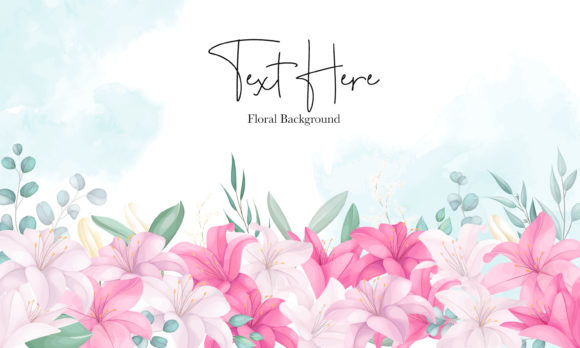
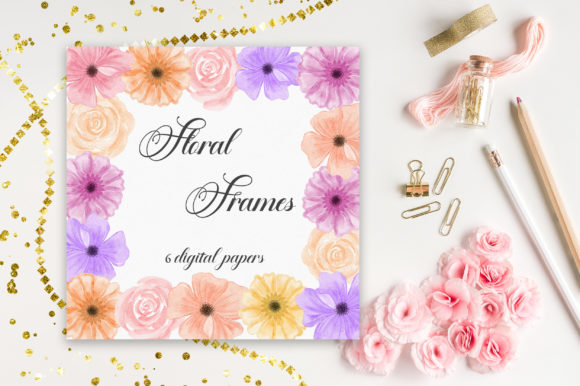
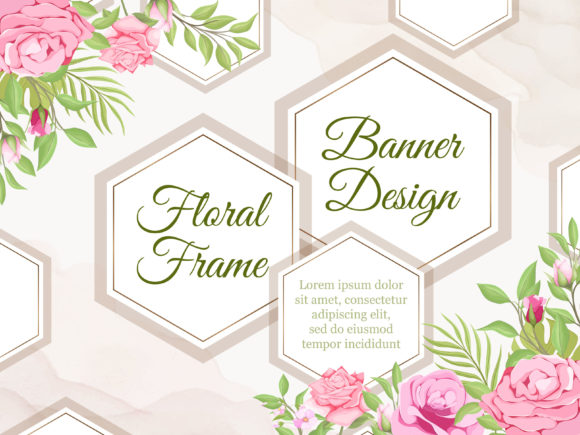
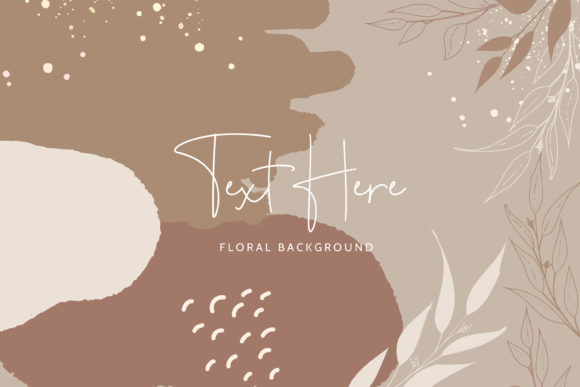
The digital design landscape is rich with tools and assets that empower creators to bring their visions to life efficiently. Among these resources, background designs serve as foundational elements, setting the tone and aesthetic for countless projects. A particular style that has gained significant traction for its elegance and adaptability is the Boho Monoline Floral Background Design. This design features a flower background with beautiful floral and leaves in a colourful illustration, characterized by clean, single-line artwork that evokes a sense of organic, free-flowing beauty.
Understanding the Core Design Characteristics
Boho, or bohemian style, in design often draws inspiration from natural elements, rustic textures, and a sense of artistic freedom. When combined with the monoline technique—where illustrations are created using lines of uniform weight—the result is a particularly clean yet expressive visual. This Boho Monoline Floral Background Design typically incorporates a variety of floral motifs and leafy vines arranged in a harmonious, often slightly asymmetrical, pattern. The use of colour is deliberate, ranging from soft pastels to vibrant hues, ensuring the background can complement a wide spectrum of themes.
The technical construction of such a design file is crucial for its utility. As described, layers within the digital file are carefully organized and labeled. This meticulous structuring is not an afterthought; it is a core feature that transforms a beautiful image into a practical tool. Each flower cluster, leaf set, or decorative element exists on its own layer, allowing users to hide, modify, or rearrange components without affecting the entire composition. This level of organization speaks directly to the needs of modern designers who require both inspiration and control.
Primary Applications in Event Design
The natural first application for this floral background lies in celebration and event design. Its mention for use in weddings or birthday parties is apt. For a wedding, the boho floral aesthetic aligns perfectly with themes of natural romance, rustic charm, and personalized celebration. Designers can use the background for digital invitations, wedding websites, program brochures, or as a decorative element for signage and table numbers. The customizable nature means the colours can be adjusted to match specific wedding palettes—from dusty blues and sage greens to classic blush pinks.
Similarly, for a birthday party, especially one with a garden, floral, or artistic theme, this background provides an instant cohesive visual foundation. It can be adapted for party invitations, digital photo backdrops for social media announcements, or printable decorations. The versatility extends beyond these two examples to other events like baby showers, anniversary celebrations, and community galas, where a touch of elegant, nature-inspired design is desired.
Key Features Driving Practical Adoption
The value of any digital asset is measured by its usability. This Boho Monoline Floral Background Design emphasizes being easy to use and edit. For a non-professional, such as a parent planning a party or a couple organizing their wedding, this ease of use is paramount. Software like basic graphic editors or even some presentation tools can often handle layered EPS or JPG files, enabling users to change text or colours without deep technical knowledge.
For the professional designer or small business owner, the feature of customizable text color is a significant time-saver. It allows for rapid iteration when creating client materials, ensuring branding and readability are maintained. The included file formats, EPS and JPG, cover a broad range of use cases. The EPS (Encapsulated PostScript) file is a vector-based format, ideal for professional printing and scaling to any size without loss of quality—essential for large format prints like banners or backdrops. The JPG file provides a ready-to-use raster image for quick digital placements, such as online graphics or PowerPoint slides.
Expanding Use Cases Beyond Events
While event design is a prominent use, the utility of this floral background design extends much further. Educators and researchers might utilize it for creating visually appealing presentation materials or academic posters, where a soft, engaging background can make information more approachable. Content creators, including bloggers and social media influencers, can use it as a consistent branded backdrop for video content, website headers, or featured images, building a recognizable aesthetic tied to nature and creativity.
Business owners, particularly in sectors like wellness, eco-friendly products, boutique retail, or creative services, can adapt this background for their marketing materials. It can serve as a background for product packaging mockups, website hero sections, email newsletter headers, or promotional flyers. The boho aesthetic often conveys values of authenticity, sustainability, and artistry, which many modern businesses seek to communicate.
Workflow Integration and Customization Considerations
Integrating a pre-designed background into a project workflow requires some forethought. The advantage of a well-organized, layered file is that it invites customization rather than imposing a static solution. A designer might start by opening the EPS file in a vector editing program like Adobe Illustrator or Affinity Designer. Here, they can leverage the labeled layers to perhaps remove a specific flower type that doesn’t fit the theme, or isolate a leaf pattern to use as a separate accent elsewhere in the project.
Colour customization is another key step. The monoline style, with its distinct outlines, makes recolouring a relatively straightforward process. Users can change the fill colours of the floral elements to create a monochromatic version for a minimalist look, or enhance the colour contrast for a more vibrant, energetic feel. This flexibility ensures the same core design can serve a serene, pastel-themed baby shower and a lively, tropical birthday party simply through colour adjustments.
It is important to consider the balance between customization and the design’s inherent integrity. The artwork has a specific boho monoline character—its charm lies in the line work and composition. While colours and element visibility can be changed, major structural alterations might dilute the style’s effectiveness. The best results often come from using the design as a strong base and adding personal text, logos, or other graphic elements on top, respecting the original layout’s balance.
Observations on Trends and Aesthetic Resonance
The enduring popularity of floral designs, particularly in the boho and monoline genres, reflects broader trends in visual culture. There is a growing appreciation for designs that feel handmade, organic, and connected to nature, especially in digital spaces that can often feel sterile. This Boho Monoline Floral Background Design sits at the intersection of several desirable qualities: it is digital-native and easily editable, yet it carries the warmth and irregular beauty of hand-drawn art.
In practice, one observes that such assets democratize design. They enable small businesses, individuals, and organizations with limited design budgets to access high-quality, scalable artwork. This empowers them to create materials that stand out visually without requiring extensive custom illustration work from scratch. The design, by being both beautiful and structurally well-organized, acts as a bridge between raw artistic inspiration and finished, practical application.
Ultimately, the relevance of this floral background design is tied to its ability to solve a common creative problem: the need for a versatile, aesthetically pleasing, and technically sound starting point. Whether for a joyous personal celebration, a professional marketing campaign, or an educational project, it provides a layer of polished visual context. Its value is not just in the image itself, but in the thoughtful preparation of its digital structure—the organized layers, the included file formats, and the inherent flexibility—that allows it to seamlessly adapt to the real-world needs of a diverse audience of creators.