The Art and Utility of Pink Watercolor Floral Arrangements in Modern Design
The delicate interplay of color and form found in pink watercolor floral arrangements represents more than just a visual trend; it is a versatile artistic language adopted across various creative and professional fields. This aesthetic, characterized by its soft washes of pink, organic floral shapes, and the inherent texture of watercolor techniques, has evolved from a traditional painting style into a foundational element for digital design assets, particularly those used in events like weddings and beyond.
The Core Characteristics of the Watercolor Floral Style
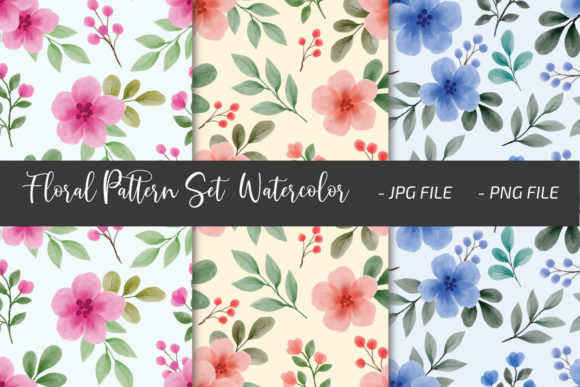
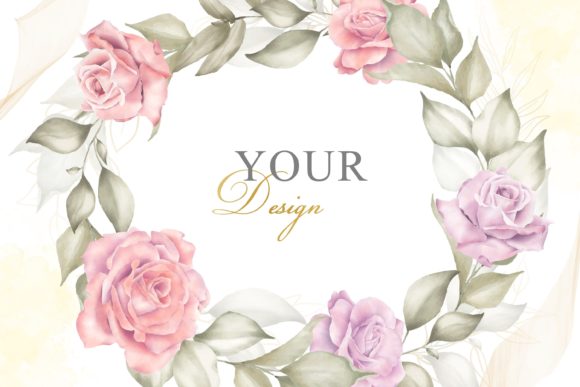
Understanding what defines this specific design approach is crucial to leveraging its potential. A true pink watercolor arrangement floral piece is not merely a pink flower illustration. It embodies specific artistic qualities. The most prominent is the soft, blended color gradient. Unlike flat digital colors, watercolor effects simulate the natural bleed of pigment into water, creating transitions from deep rose to barely-there blush within a single petal or leaf. This results in a sense of depth and gentle luminosity.
Another defining characteristic is the organic, imperfect outline. Watercolor paintings naturally have edges that are not razor-sharp; they feather and fade. In a well-executed digital asset mimicking this style, floral elements appear to blend softly into the background or into each other, avoiding harsh, mechanical separations. The third key element is composition. These arrangements often follow the principles of traditional floral painting, with a balanced but asymmetrical clustering of blooms, buds, and foliage, creating a naturalistic, hand-crafted feel even when produced digitally.
From Artistic Technique to Digital Asset
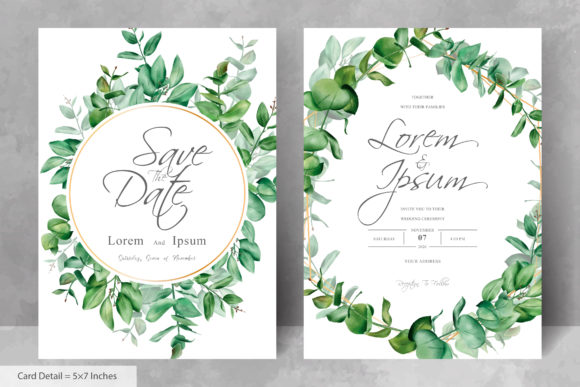
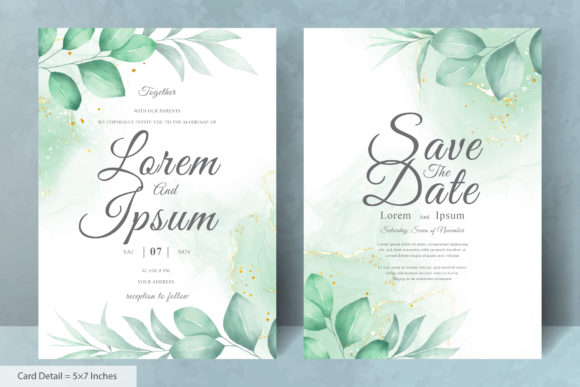
The transition of this art form into a reusable digital template, such as a pink watercolor arrangement floral wedding background design, marks a significant point of accessibility. The original artistic process requires skill, time, and physical materials. By encapsulating the aesthetic into editable vector files in formats like Adobe Illustrator AI or EPS, the core beauty is preserved while opening the door to widespread application. The mentioned features—like editable customizable text color and the use of only free fonts—are not just technical specs; they represent a philosophy of user empowerment, allowing designers with varying skill levels to adapt the core artwork to their specific context without licensing concerns or complex maneuvers.
Primary Applications and Use Cases
The utility of these designs is broad, stemming directly from their evocative and adaptable nature.
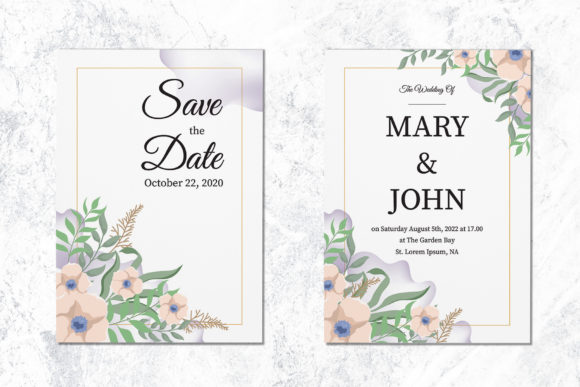
- Wedding and Event Branding: This is a predominant use case. The soft, romantic, and celebratory connotations of pink florals make them ideal for wedding invitations, ceremony programs, reception décor motifs, and digital announcements. The editable nature means a couple can seamlessly integrate their names, dates, and venue information into a beautiful, cohesive visual theme.
- Commercial Brand Identity: Businesses, particularly in lifestyle, wellness, beauty, and fashion sectors, utilize this aesthetic to convey elegance, gentleness, and a hand-crafted quality. It can appear in logo elements, packaging design, website graphics, and social media branding.
- Printable Materials: The inclusion of a printable template with a bleed area is a critical feature for physical outputs. This ensures that when the design is printed for items like stationery, posters, or fabric, the color and imagery extend to the edge of the page without unwanted white borders, a technical necessity in professional printing.
- Educational and Creative Resources: For educators teaching design or art, and for hobbyists learning digital illustration, these files serve as excellent study materials. Deconstructing how a complex watercolor effect is built in Illustrator using layers, gradients, and brush tools can be an invaluable learning experience.
Practical Advantages for Diverse Users
Why does this specific package of features meet real-world needs? Consider the advantages from different user perspectives.
For the professional designer working under tight timelines, having a high-quality base like an EPS AI file means they can skip the initial illustration phase and focus on customization and client-specific integration, dramatically speeding up workflow. The requirement for Adobe Illustrator 2018 or later ensures compatibility with modern tools and effects.
For the small business owner or entrepreneur acting as their own marketer, the easy to use and customizable aspects are paramount. They can alter text colors to match their existing brand palette and insert their messaging without needing to hire an illustrator, making professional-grade design financially accessible.
For the craft hobbyist or DIY wedding planner, the printable template feature bridges digital design and physical craft. They can produce unique, personalized items—from table place cards to favor tags—that feel professionally designed, adding a special touch to their events or products.
Key Considerations When Utilizing These Assets
While highly beneficial, effective use involves mindful application. One consideration is context. The pink watercolor floral aesthetic is specific; it may not suit brands or events wanting a bold, minimalist, or tech-forward image. Another is customization balance. Over-editing a delicate watercolor design with harsh colors or heavy fonts can clash with the inherent softness, diminishing its impact. The technical consideration involves software. While the AI file is versatile, users must have access to compatible vector software, like Illustrator, to fully exploit the editable features; the JPG serves as a fallback for quick placement but lacks flexibility.
The Workflow: From File to Finished Product
Imagine a practical implementation. A user downloads the package containing the Adobe Illustrator file, the EPS, and the JPG. They open the AI file in Illustrator. They locate the editable text layers, perhaps a placeholder for a couple's names on a wedding background. They change the text color to a deep burgundy to complement the pink florals, using a free font already embedded or selecting another. They adjust the layout slightly. For digital use, they export a new JPG for their website. For print, they use the template with its bleed area to send a PDF to a printer for 500 invitation cards. The same core pink watercolor arrangements floral asset now manifests in multiple consistent, professional formats.
This workflow highlights the intersection of art and utility. The design is not static art to be merely viewed; it is a component, a starting block, a adaptable resource that inherits the beauty of traditional technique while offering the efficiency of digital tooling.
Observations on Trends and Longevity
Visual trends evolve, but some aesthetics possess enduring appeal due to their emotional resonance and versatility. The watercolor floral style, particularly in pink tones, taps into perennial associations with nature, romance, and gentle artistry. Its digital translation into editable assets ensures its relevance is not locked to a momentary trend but is sustained by its practical applicability. As design tools evolve, the underlying principles of these files—vector scalability, layer-based editing, print-ready preparation—remain foundational, suggesting that such resources will continue to be valuable even as specific color preferences may shift.
In essence, these pink watercolor floral arrangement designs represent a democratization of a specific artistic elegance. They provide a bridge, allowing the expressive quality of hand-painted watercolor florals to enhance communication, branding, celebration, and product creation across a spectrum of professional and personal projects. The technical features listed are the mechanisms that make this bridge sturdy and accessible, turning a beautiful image into a dynamic tool for a broad audience of creators.