Hand Drawn Lily Cards: Elegant Custom Invitations
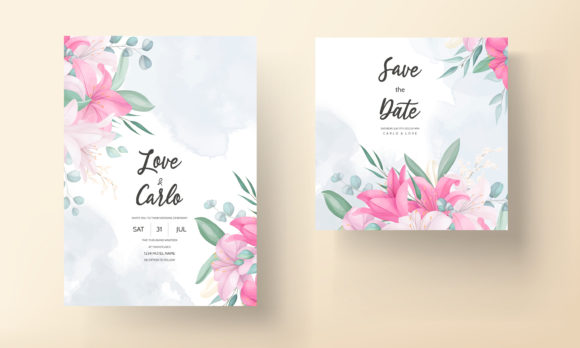
In the world of event planning, your invitation serves as the first impression. It sets the tone, conveys the theme, and hints at the celebration to come. For those seeking a design that balances artistic charm with professional polish, a hand drawing lily flower wedding card offers a uniquely beautiful solution. This isn’t just a generic template; it’s an illustration-based design that captures the delicate elegance of lilies, intertwined with graceful leaves in a colorful palette. While perfect for weddings, its versatility extends to birthday parties, anniversaries, or any special gathering where a touch of floral artistry is desired.
The Artistry Behind the Design
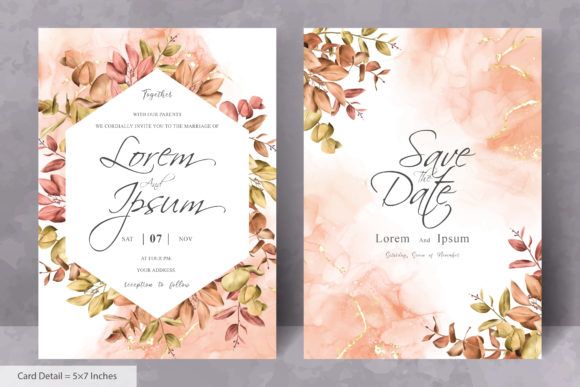
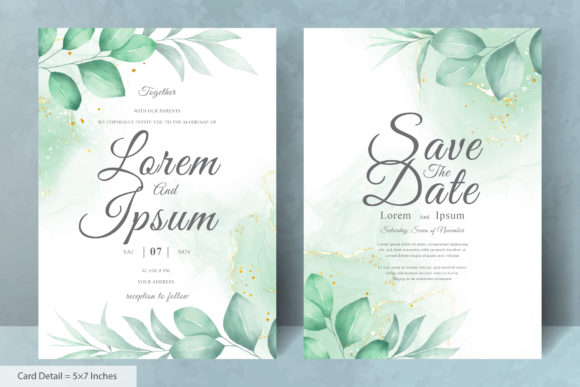
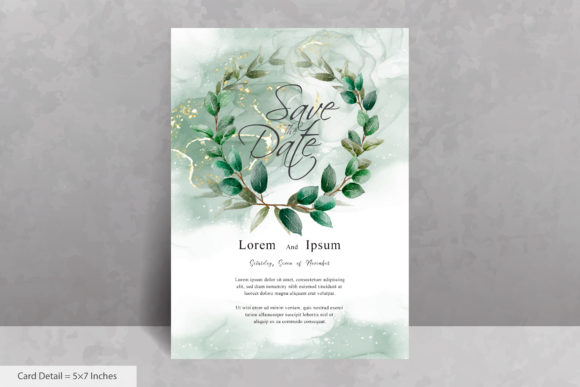
What distinguishes this template is its foundational artwork. A hand drawing lily flower wedding card begins with illustrated artistry, not sterile digital vectors. This means the floral elements possess a soft, organic quality—subtle line variations, natural shading, and a sense of warmth that purely computer-generated designs often lack. The lilies, a classic symbol of purity and commitment, are rendered with attention to detail, while the accompanying leaves and background elements create a harmonious, elegant frame for your text.
The “colorful illustration” aspect is a key strength. It moves beyond monochrome or pastel-only schemes, offering a vibrant yet sophisticated color palette that can instantly elevate your card’s visual appeal. This artistry provides a ready-made aesthetic that feels both personal and premium, saving you the considerable time and cost of commissioning a custom illustrator from scratch.
Key Features for Practical Creation
The true value of this beautiful wedding invitation template lies in its marriage of art and accessibility. It’s designed to be easy to use and edit. You receive a file package typically including an EPS file and a JPEG file. The EPS (Encapsulated PostScript) file is crucial for professionals and serious hobbyists. It’s a vector format, meaning you can scale the design to any size—from a standard invitation to a large poster—without any loss of quality or resolution. This also allows for deep customization of individual graphic elements if you have software like Adobe Illustrator.
The JPEG provides a high-quality, ready-to-view image, useful for quick placements or sharing drafts. The promise of customizable text color is equally important. It means you can seamlessly integrate your chosen wording—names, dates, venues, poems—into the design’s color scheme. You can match your text to the illustration’s hues or choose a contrasting color for emphasis, ensuring everything from the main headline to the fine details on the RSVP card looks cohesive.
Real-World Applications Beyond the Wedding
While envisioned for weddings, the application of this template is remarkably broad. Entrepreneurs and small business owners might use it for client appreciation events or boutique launch parties. Marketers could adapt it for high-end corporate galas or product reveal events where a premium, elegant feel is required. Educators and administrators might find it perfect for fundraisers, award ceremonies, or department celebrations.
For bloggers, publishers, and content creators, such a design could serve as a visually striking digital invitation for a webinar, a reader meet-up, or a collaborative workshop. The digital files allow for easy integration into website banners or email campaign graphics. Freelancers, such as event planners or photographers, could use this hand drawing lily flower wedding card as a part of their service package, offering clients a beautiful starting point that reflects a commitment to quality.
Even for personal hobbyists, the template opens doors. Imagine creating a stunning invitation for a milestone birthday party, a baby shower with a floral theme, or a vow renewal ceremony. The ease of editing means you can produce something that looks professionally designed without requiring professional-level design skills.
Evaluating Usability and Output Quality
When considering such a template, practical evaluation is key. First, assess the file compatibility with your software. The inclusion of an EPS file is a significant advantage for scalable, professional editing. Ensure you have, or can access, a program that can handle EPS or vector files if you intend to make substantial layout changes. The JPEG serves as a universal fallback.
Consider the customization depth. “Easy to use” often means the text boxes and perhaps some color elements are pre-layered for simple modification in common programs. Check if the template allows you to adjust not just text color, but also font style and size within the design’s constraints. The goal is a workflow where you focus on content, not on wrestling with graphic alignment.
Finally, think about the output. Whether you’re printing physically or using the design digitally, the quality of the original illustration determines the final product’s impact. A well-executed hand drawing lily flower wedding card template should result in prints that look like bespoke stationery and digital images that capture attention without pixelation or blur.
The Benefits of a Foundational Design
Choosing a template with these characteristics brings tangible benefits. Time efficiency is paramount. Instead of starting from a blank canvas, you begin with a complete, aesthetically vetted foundation. This reduces design time from hours or days to mere minutes for basic text insertion. Cost-effectiveness is another clear advantage, providing a high-art design at a fraction of the price of a full custom job.
It also ensures visual consistency. The elegant floral and leaves provide a coherent graphic theme that you can extend to other items—menus, place cards, thank-you notes—creating a unified brand for your event. For business use, this consistency reinforces professional branding and elevates the perceived value of the occasion.
From a communication standpoint, a beautiful invitation template does more than inform; it engages and excites. It increases the likelihood that your invitation will be noticed, appreciated, and remembered. It enhances the user experience for both you, the creator, by simplifying the process, and for the recipient, by delivering a piece of visual delight.
In practice, implementing this hand drawing lily flower wedding card template involves a straightforward process. Download the files, open them in your preferred editing software, and replace the placeholder text with your details. Experiment with the customizable text color to find the perfect harmony with the illustration. For physical prints, send the finalized JPEG or PDF to a quality printer, specifying paper stock that complements the design’s elegance. For digital distribution, optimize the file size for email or social media while preserving its clarity.
Making It Your Own
The final step is personalization. While the template provides the structure, your content imbues it with meaning. Use the space thoughtfully. Consider pairing the elegant floral imagery with similarly poetic or heartfelt wording. The colorful illustration might inspire your choice of accompanying envelope or digital background color. Remember, the template is a tool, and its greatest outcome is a card that feels authentically yours, radiating the care and anticipation you hold for your event.
Whether you’re a professional orchestrating a corporate gala, a couple planning your wedding, or a creative hosting a community workshop, a hand drawing lily flower wedding card template bridges the gap between artistic aspiration and practical execution. It offers a path to creating something genuinely beautiful, without requiring you to be a graphic designer yourself. That combination of ready-made elegance and personal adaptability is what makes such a resource not just useful, but invaluable for anyone looking to announce their special occasion with grace and style.