Evaluating the Hardcover Notebook Design Template
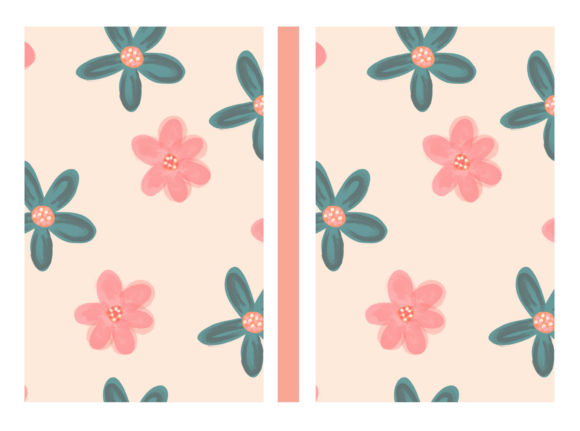
In the realm of professional publishing and personal branding, the physical presentation of a book, journal, or brochure carries significant weight. A well-designed cover is not merely protective; it communicates quality, intent, and identity before the first page is opened. The Hardcover Notebook Design Template presents itself as a specialized asset for creators seeking to produce printed materials with a distinct aesthetic foundation, specifically one rooted in floral and abstract art.
Core Purpose and Key Characteristics
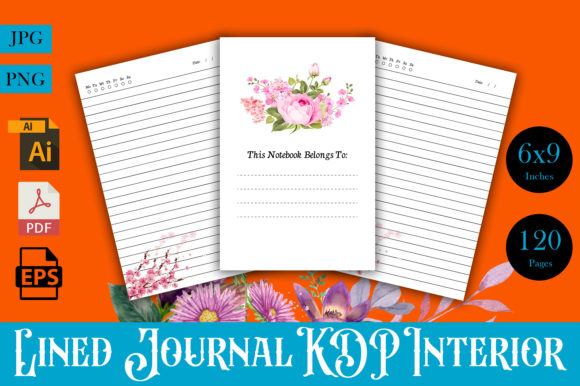
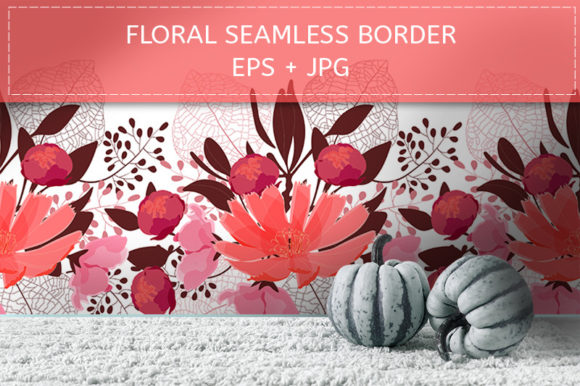
This template is fundamentally a pre-designed visual framework. Its stated purpose is to serve as a ready-to-use cover for hardcover notebooks, planners, diaries, and similar print items. The primary characteristic is its fresh, unused floral and abstract design, which aims to offer originality in a market often saturated with generic patterns. The technical specifications are clear: it is formatted for a cover size of 14.03 x 10.417 inches, intended for a 120-page book with a final trim size of 6 x 9 inches.
A notable strength lies in its declared compatibility and file offerings. Being print-ready and providing files in both PDF and PNG formats addresses a common hurdle in the production process—ensuring correct resolution and dimensions for professional printing services. Furthermore, the emphasis on being Canva-friendly significantly broadens its accessibility. Canva’s widespread use among non-specialist designers, entrepreneurs, educators, and small business owners means this template can be integrated into workflows that favor ease of customization over complex desktop software.
Analyzing Practical Value and Usability
The practical value of the Hardcover Notebook Design Template hinges on its flexibility. For a professional or freelancer launching a branded journal series, or a marketer needing a consistent template for multiple campaign brochures, a reliable starting point saves considerable time and resource expenditure. The template acts as a visual constant, ensuring that each iteration maintains a cohesive look while allowing for textual or minor graphical changes via Canva or similar tools.
Usability appears high due to the straightforward file types. PNG files offer easy overlay and placement in various layouts, while the PDF ensures vector-based quality for precise scaling. The promise of easy customization is critical; a template that is locked or difficult to alter loses its utility. For real-world use, the effectiveness will depend on the user's specific design needs aligning with the floral/abstract theme. It performs well for projects targeting audiences that appreciate organic, artistic, or non-technical visuals—such as lifestyle brands, creative workshops, or personal gift items.
Quality and Long-Term Considerations
Without examining the actual image files, a quality assessment must be based on the provided information. The specification of being print-ready suggests attention to technical quality factors like DPI and color mode. The mention of a collection of 100 Popular Designs and 100 NEW, Fresh content indicates the provider is operating within a ecosystem of options, which can add long-term value for a user who may require multiple designs over time. Consistency across a provider’s portfolio can be important for professionals who wish to maintain a relational aesthetic across different products.
However, a potential limitation is the thematic specificity. The floral abstract design is a strength for certain projects but a constraint for others. A technology blogger, a corporate trainer, or a publisher of technical manuals might find this aesthetic misaligned with their audience's expectations. The template’s reliability and presentation value are therefore context-dependent.
Audience Fit and Professional Recommendations
This Hardcover Notebook Design Template is likely most beneficial for specific segments within the broad adult audience.
- Creators & Hobbyists: Individuals producing handmade journals, planners, or art books for sale on platforms like Etsy can leverage this as a base, adding personal touches before printing.
- Small Business Owners: Those in niches like boutique wellness, floristry, or artistic coaching might use it for client journals, workshop materials, or promotional brochures where the design reinforces brand ethos.
- Freelancers & Educators: A freelance writer publishing a limited-run poetry collection or an educator creating a beautiful course journal could find it an efficient solution.
- Marketers: Its utility here is more niche, suitable for campaigns or products where an organic, soft design is a deliberate strategic choice.
For professionals evaluating its fit, the key questions are: Does the floral abstract aesthetic serve my project’s goals and audience? Does my workflow involve tools like Canva, or am I comfortable working with PDF/PNG files in my preferred software? Is the 6x9 trim size appropriate for my intended product? If the answers align, this template offers a streamlined path to a professional-looking cover.
A practical recommendation is to always request or review a sample of the design before full commitment, even if it’s a watermarked preview. This verifies the actual artistic quality, color palette, and layout sophistication. Furthermore, understanding the customization limits is crucial—check if elements like the floral pattern’s color can be altered or if text placement is fixed.
Final Observations on Overall Effectiveness
The Hardcover Notebook Design Template represents a focused tool rather than a universal one. Its effectiveness is high for projects where its core design is an asset, not a compromise. The inclusion of Canva-friendly files is a significant advantage that lowers the technical barrier, making professional design more accessible. The promise of fresh, unused content addresses a legitimate concern for creators wanting distinctive products.
Ultimately, its value is not in being a one-size-fits-all solution, but in providing a vetted, specification-correct, and customizable starting point for a specific visual style. For the right user and project, it can eliminate hours of design groundwork, reduce pre-print anxiety, and contribute to a polished final product that stands out through intentional, cohesive design.